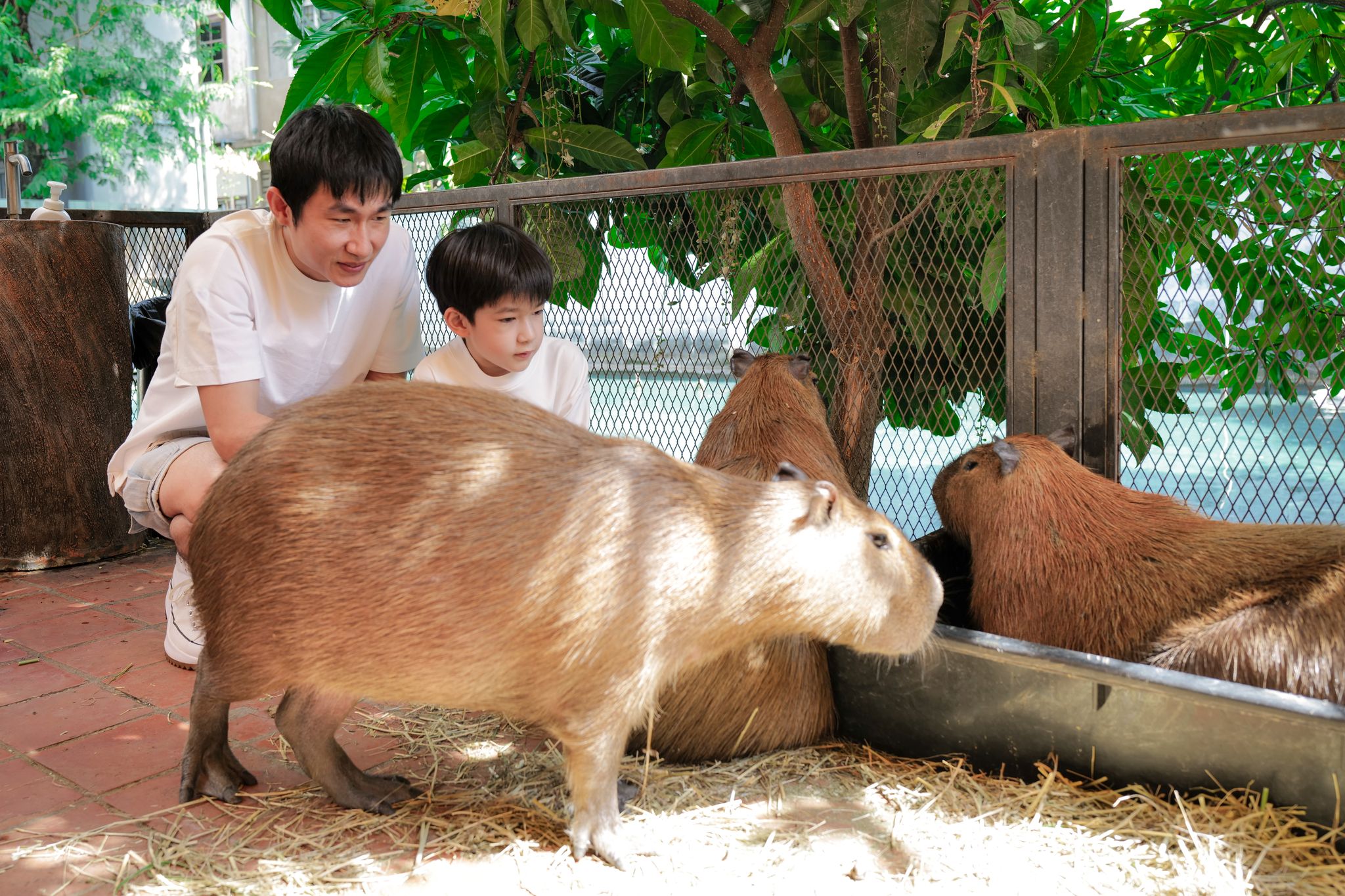
One of the most common questions we receive from visitors planning their trip to Little Zoo Garden Capybara Cafe is: "Can I actually touch the capybaras?" The answer is a resounding yes! In fact, gentle interaction with our capybaras is one of the highlights of visiting our cafe. But there's so much more to these incredible animals than just being touchable – they're genuinely one of nature's most fascinating and lovable creatures.
Yes, You Can Pet Our Capybaras!
At Little Zoo Garden, we're proud to offer an authentic, hands-on experience with our resident capybaras. Unlike many animal encounters where you're kept at a distance, our cafe is designed to allow you to get up close and personal with these gentle giants. You can pet them, feed them specially prepared treats, and even take photos with them lounging beside you.
Our capybaras are well-socialized and accustomed to human interaction. They've been raised with love and care, which means they're comfortable around visitors and often seem to genuinely enjoy the attention. It's not uncommon to see our capybaras leaning into pets, closing their eyes in contentment, or even falling asleep while being stroked by a guest.
Understanding the Capybara: The World's Largest Rodent
Before we dive deeper into why capybaras make such wonderful cafe companions, let's get to know these remarkable animals a bit better. The capybara (Hydrochoerus hydrochaeris) holds the distinguished title of being the world's largest living rodent. Native to South America, these semi-aquatic mammals can weigh anywhere from 35 to 66 kilograms (77 to 146 pounds) and measure up to 1.3 meters (4.3 feet) in length.
Despite their impressive size, capybaras are closely related to guinea pigs and rock cavies. If you've ever wondered what a guinea pig would look like if it were the size of a medium dog, you're essentially imagining a capybara. They share many characteristics with their smaller cousins, including their gentle disposition and social nature.
The Science Behind Their Chill Personality
What makes capybaras so remarkably calm and friendly? The answer lies in both their biology and their natural social structure. Understanding these factors helps explain why they're such perfect animals for a cafe setting.
Natural Herd Animals
In the wild, capybaras live in groups that can range from 10 to 40 individuals, though groups of up to 100 have been observed during the dry season when they congregate around water sources. This highly social nature means they're hardwired for community living and interaction. They communicate with each other through a variety of vocalizations, including purrs, barks, whistles, and clicks.
This social programming translates beautifully to human interaction. Capybaras don't see humans as threats – instead, they often view us as just another member of their extended social group. This is why they're so comfortable being petted and handled by visitors at our cafe.
Low Stress Response
One of the most remarkable things about capybaras is their incredibly low stress response. While many animals become anxious or defensive in unfamiliar situations, capybaras tend to remain calm and collected. Scientists believe this may be an evolutionary adaptation – in the wild, their primary defense against predators is to flee into water rather than fight or display aggression.
This physiological calmness means that capybaras don't produce the same stress hormones that make other animals nervous or aggressive. They're genuinely relaxed creatures, not just well-trained ones. What you see is what you get with a capybara – they're as chill on the inside as they appear on the outside.
The "Friend to All" Phenomenon
If you've spent any time on the internet, you've probably seen the viral photos and videos of capybaras befriending other animals. From birds perching on their heads to cats cuddling up beside them, capybaras seem to have an almost magical ability to get along with virtually every other species they encounter.
This isn't just a cute coincidence – it's a reflection of their non-threatening nature. Capybaras don't display the territorial or predatory behaviors that put other animals on edge. They emit calm energy that other animals pick up on and respond to positively. At Little Zoo Garden, you'll often see our capybaras peacefully coexisting with our other animal residents, including meerkats, corgis, and cats.
How to Interact with Capybaras at Our Cafe
While our capybaras are exceptionally friendly, there are some guidelines we ask all visitors to follow to ensure both their safety and the animals' wellbeing. These aren't restrictive rules – they're simply best practices that will help you have the most enjoyable experience possible.
Approach Calmly and Slowly
Even though capybaras are naturally calm, sudden movements or loud noises can startle any animal. When approaching our capybaras, move slowly and speak softly. Let them see you coming and give them a moment to acknowledge your presence. Most of the time, they'll either continue what they're doing (probably relaxing) or turn to greet you with curiosity.
Let Them Come to You
One of the best techniques for interacting with capybaras is to sit or crouch down to their level and let them approach you. This non-threatening posture signals that you're a friend, not a threat. Our capybaras are curious by nature, and they'll often waddle over to investigate a new person who's made themselves accessible.
Pet Them the Right Way
Capybaras love being petted, but they have preferences just like any animal. They particularly enjoy being scratched behind the ears, under the chin, and along their sides. Their coarse, bristly fur might surprise you at first – it's quite different from the soft fur of a dog or cat. But capybaras seem to love firm, gentle strokes that work through their unique coat.
Avoid touching their faces directly, especially around the nose and eyes. While our capybaras are patient and tolerant, respecting their personal boundaries helps build trust and ensures a positive experience for everyone.
Feeding Time is Bonding Time
One of the best ways to connect with our capybaras is through food. Your entry fee includes animal treats, and hand-feeding the capybaras is an experience you won't forget. They're herbivores with a particular fondness for grass, aquatic plants, fruits, and vegetables. At our cafe, we provide specially selected treats that are both safe and delicious for them.
When a capybara takes food from your hand, you'll notice how gentle they are. Despite having large teeth (which they use for grazing), they're incredibly careful when accepting treats from humans. It's a testament to their intelligence and their awareness of their own strength.
Why Capybaras Make Perfect Cafe Animals
You might wonder why we chose capybaras as one of the star attractions at Little Zoo Garden. The answer goes beyond their undeniable cuteness – capybaras possess a combination of traits that make them ideally suited for a cafe environment.
Adaptability
Capybaras are remarkably adaptable animals. In the wild, they thrive in a variety of habitats across South America, from dense forests to open grasslands, as long as there's water nearby. This adaptability means they adjust well to new environments, including our carefully designed cafe space.
Diurnal Activity Patterns
Unlike many exotic animals that are nocturnal, capybaras are most active during the day, particularly in the morning and late afternoon. This makes them perfect for a cafe setting where visitors come during daytime hours. You'll find our capybaras alert and engaged during your visit, not hiding away or sleeping through the experience.
Cleanliness
Capybaras are surprisingly clean animals. In the wild, they spend a significant amount of time in water, which helps keep their skin healthy and their bodies clean. At our cafe, we provide water features where they can soak and groom themselves. This semi-aquatic nature also means they don't have the strong odors associated with some other animals.
Quiet Nature
While capybaras do vocalize, they're generally quiet animals. You won't be startled by sudden loud noises or persistent barking. Their soft purrs and occasional gentle sounds add to the peaceful atmosphere of our cafe rather than disrupting it.
The Health Benefits of Animal Interaction
Spending time with animals like our capybaras isn't just fun – it's actually good for you. Numerous studies have shown that interacting with animals can have significant positive effects on human health and wellbeing.
Stress Reduction
Petting animals has been scientifically proven to lower cortisol levels (the stress hormone) and increase production of oxytocin (the "feel-good" hormone). The calm nature of capybaras makes them particularly effective stress-relievers. Many visitors tell us they feel a sense of peace washing over them as they spend time with our capybaras.
Mindfulness and Presence
In our busy, technology-driven world, it can be hard to stay present in the moment. Interacting with animals naturally encourages mindfulness – you're focused on the creature in front of you, not your phone or your to-do list. The gentle, unhurried pace of capybaras invites you to slow down and simply be.
Social Connection
Visiting an animal cafe is also a wonderful social experience. Whether you're coming with family, friends, or a partner, sharing the joy of interacting with capybaras creates lasting memories and strengthens bonds. We've seen countless visitors bonding over their shared delight in these remarkable animals.
Frequently Asked Questions About Touching Capybaras
Is it safe to touch capybaras?
Absolutely! Our capybaras are healthy, well-cared-for, and accustomed to human interaction. We maintain strict hygiene standards and provide hand sanitizing stations throughout the cafe. Capybaras are not known to transmit diseases to humans when proper care protocols are followed.
Will the capybaras bite?
Capybaras are not aggressive animals and do not bite under normal circumstances. Our capybaras have been raised with humans from a young age and are very gentle. As with any animal, we ask that you treat them with respect and follow our staff's guidance.
Can children pet the capybaras?
Yes! Children are welcome to interact with our capybaras under adult supervision. In fact, kids often form instant connections with these gentle animals. We recommend that parents guide young children on proper petting techniques to ensure a positive experience for both the child and the capybara.
How long can I spend with the capybaras?
Your entry to Little Zoo Garden allows you to spend as much time as you like with all our animals during your visit. There's no rush – take your time to truly connect with our capybaras and enjoy the experience at your own pace.
Plan Your Capybara Experience
Ready to meet our capybaras in person? Little Zoo Garden is open daily from 11 AM to 7 PM, and walk-ins are always welcome. Your entry fee of 450 THB includes a drink, a cookie, and animal treats to share with our furry residents.
We're located at 276 On Nut 17 Alley, Lane 6, Suan Luang, Bangkok 10250 – easily accessible by BTS to On Nut station followed by a short taxi ride. Whether you're a Bangkok local looking for a unique weekend activity or a tourist seeking an unforgettable Thai experience, our capybaras are waiting to meet you.
Come discover for yourself why capybaras have captured the hearts of animal lovers worldwide. These gentle giants have a way of making everyone who meets them fall in love – and yes, you can absolutely touch them while you do.